The Oceania Comparative and International Education Society (OCIES) is committed to nurturing the next generation of Comparative and International Education (CIE) researchers across our region and beyond. Each year, OCIES awards conference scholarships to outstanding postgraduate and early-career scholars whose work advances the Society’s vision of ethical, relational, and critically engaged educational research across Oceania and the wider world.
For the 53rd Annual OCIES Conference hosted by Te Whare Wānanga o Waitaha | University of Canterbury in Ōtautahi Christchurch (23–26 November 2025), the scholarship committee received an exceptional pool of applications. The final cohort represents a rich tapestry of nations, disciplines, research interests, and commitments to educational transformation.
This year’s awardees span the breadth of Oceania and the world—from Vanuatu to Lebanon, Kiribati to the United States, Sri Lanka to Nepal—reflecting OCIES’ growing global reach and the increasing resonance of CIE scholarship grounded in Indigenous, decolonial, and contextually responsive approaches.
The committee selected recipients based on three key criteria:
- Academic contribution and potential to advance CIE research, teaching, or practice
- Financial need and lack of institutional support
- Equitable representation across gender, geography, and research interests
The 2025 scholarship recipients exemplify these values. Collectively, they explore themes such as teacher agency, decolonial GCE, Pacific and Indigenous knowledges, early childhood resilience, migration, climate change, educational leadership, gender equity, and comparative curriculum reform.
Below is a profile of each awardee with OCIES Co-President Dr Sonia Fonua.
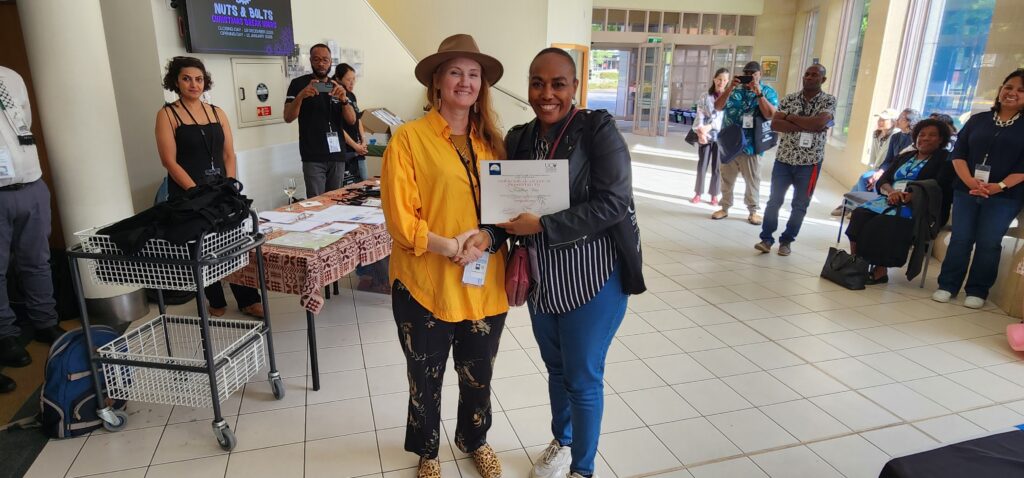
Angelinah Eldads Vira (Vanuatu/Australia – University of Newcastle & Vanuatu Ministry of Education and Training)
Angelinah Vira is a part-time PhD candidate at the University of Newcastle and the Inclusive Education Coordinator at the Vanuatu Ministry of Education and Training. Her doctoral research developed the Kokonas Research Methodology—the first Indigenous research framework created in and for Vanuatu. Grounded in kastom and storian, the methodology uses the metaphor of the coconut to guide relational, culturally aligned research practice. Conducted in Bislama with teachers and principals across three schools, her work demonstrates how culturally grounded professional learning can strengthen inclusive teaching and teacher confidence. Angelinah’s scholarship contributes a new Pacific methodological lens to decolonising education and Indigenous research in Oceania.

Fozia Farzana Begum (Fiji – Fiji National University)
Fozia Begum is an Early Childhood Education specialist with over 12 years of teaching experience in Fiji and New Zealand. She holds a Master of Education from Fiji National University, where her research focuses on early literacy development, culturally responsive pedagogy, and multilingual education in small island developing states. Her OCIES presentation examined Fijian educators’ perceptions of literacy strategies, highlighting the importance of bilingual practices, community engagement, and Indigenous storytelling in fostering equitable, culturally grounded learning. Fozia is recognised for her strong potential to contribute to CIE research in the Pacific, with limited institutional support underscoring her financial need for the scholarship.

Ariane Naliupis (Vanuatu/Kanaky)
Ariane Naliupis is an emerging researcher whose work focuses on decolonial education and the transformation of postcolonial schooling systems in Vanuatu. Her accepted OCIES 2025 presentation, “Towards a Decolonial Education: Justifying the Need for a Paradigm Shift in the Postcolonial Context of Vanuatu”, examines how education can move beyond colonial legacies by centring Indigenous knowledge, cultural epistemologies, and local aspirations. Ariane’s contribution underscores the pressing need for systemic change that reflects Vanuatu’s unique identity, languages, and philosophies. Her work demonstrates strong potential to advance Pacific-led, community-rooted approaches within Comparative and International Education.
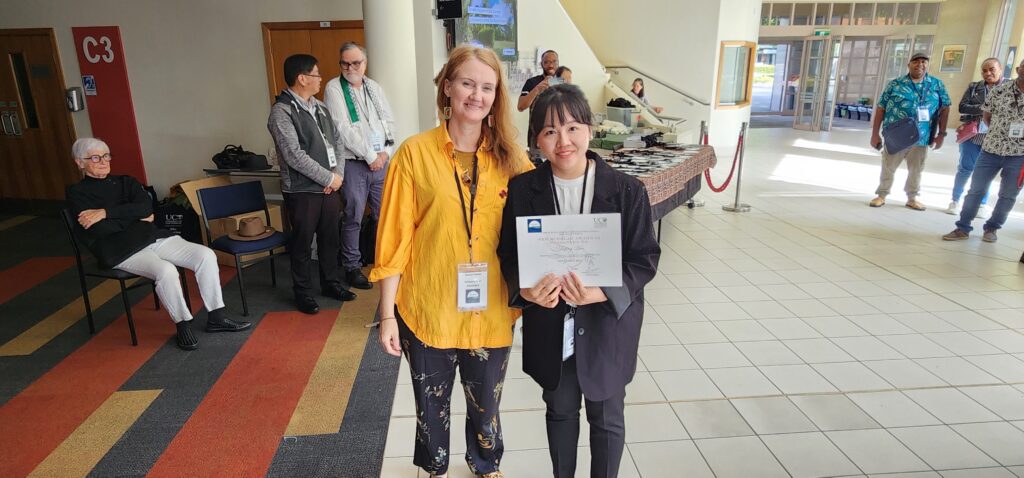
Yaqing Hou (China/Australia – Monash University)
Yaqing Hou is an emerging researcher based at Monash University, whose work explores cultural exchange, identity formation, and intercultural understanding through the lens of art education. Her OCIES-accepted paper, “Cultural Orbits: Navigating the Dialogue of Eastern and Western Cultures through Art Education,” examines how artistic practice can serve as a bridge between cultural worlds, illuminating the tensions, negotiations, and creative possibilities that arise when Eastern and Western perspectives meet. Yaqing’s research highlights the role of art as a transformative pedagogical tool for fostering cross-cultural dialogue, empathy, and global citizenship—an area of growing significance within Comparative and International Education.
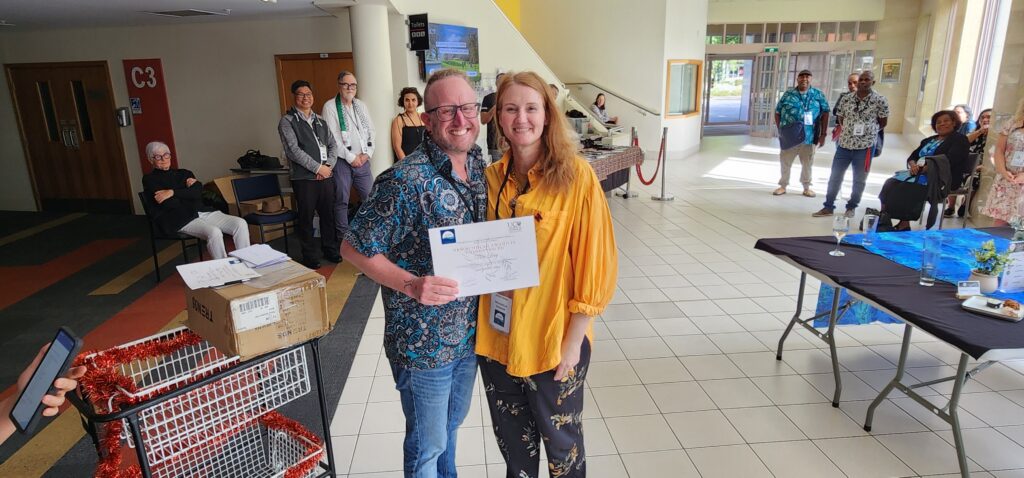
Ben Levy (US/Aotearoa – University of Waikato)
Ben Levy is a PhD candidate at the University of Waikato, whose research examines national universities in Moana Oceania as dynamic sites of Indigenous futures, epistemic sovereignty, and regional self-determination. His OCIES-accepted Conversation Circle, “National Universities in Moana Oceania as Sites of Indigenous Futures and Epistemic Sovereignty,” draws on a multi-country study across Samoa, Tonga, Solomon Islands, Vanuatu, and Fiji, using talanoa, tok stori, storian, and other Indigenous dialogic methodologies to explore how universities resist epistemic dominance and reclaim Indigenous governance and knowledge systems.
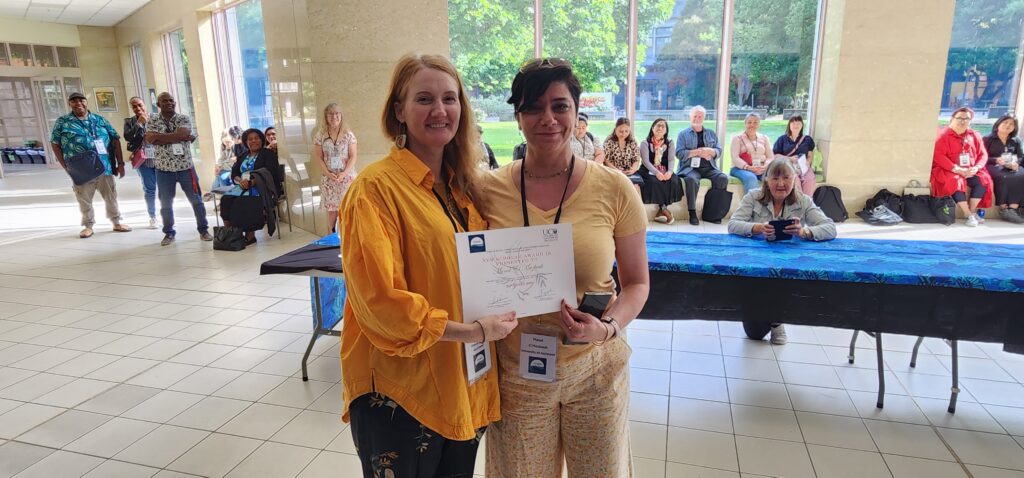
Manal El Mazbouh (Lebanon/Aotearoa – University of Auckland)
Manal El Mazbouh is a doctoral candidate at the University of Auckland, working at the intersection of education data, global policy, and development. Her research critically examines Education Management Information Systems (EMIS)—how they are promoted, implemented, contested, and governed across global and national contexts. Drawing on critical realism, transitologies, and policyscapes, Manal explores the geopolitical forces shaping evidence-based policymaking and the coloniality embedded in global data infrastructures.
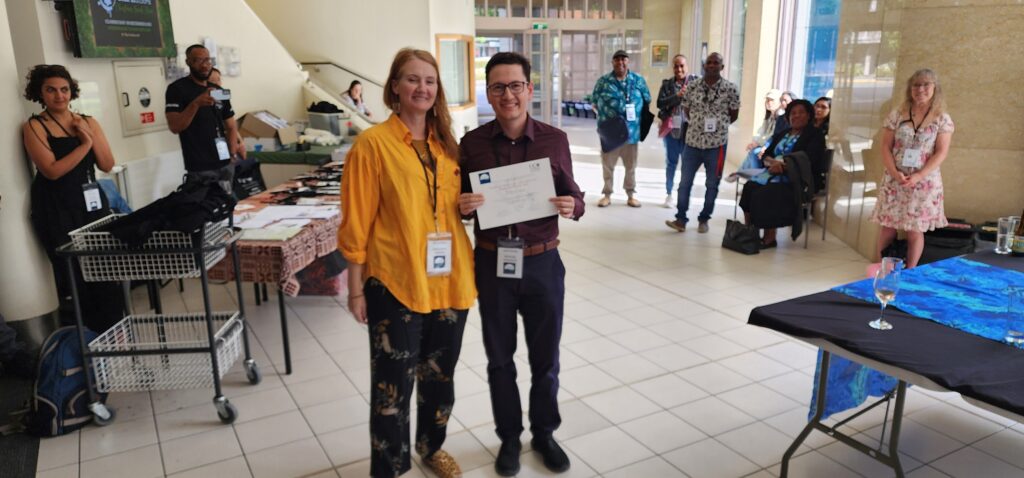
Juan Ochoa (Colombia/Aotearoa – University of Auckland)
Juan Ochoa is a Colombian early-career researcher and second-year PhD candidate at the University of Auckland, whose work critically re-examines resilience in early childhood education. His research challenges individualistic, Western framings of resilience by emphasising its relational, cultural, and structural dimensions, using a mixed qualitative design involving Delphi methods and multi-case studies in Aotearoa ECE settings. Juan’s OCIES presentation, “Reframing Resilience in Early Childhood Education,” foregrounds transformative and decolonising pedagogies that centre community, relationality, and cultural grounding. As an international student from the Global South, he aims to build South–South educational dialogue and contribute to the OCIES early-career community.
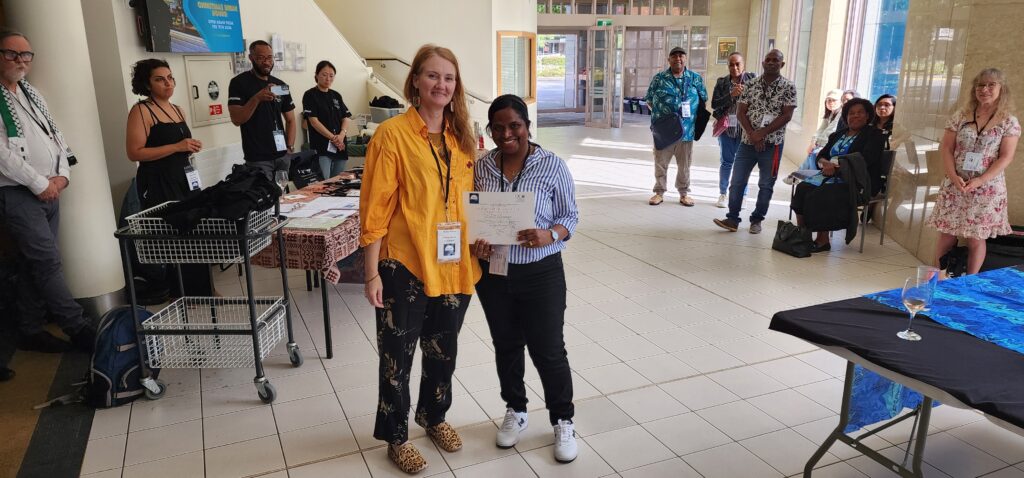
Kalani Madhusha Loku Liyanage (Sri Lanka/Australia – Queensland University of Technology)
Kalani Liyanage is a doctoral researcher at Queensland University of Technology, focusing on inclusive pedagogical practices for linguistically diverse learners in Sri Lanka. Her OCIES-accepted paper examines how Sinhala-medium teachers support students whose first language is Tamil, using sociocultural theory and qualitative methods to analyse classroom practices, teacher artefacts, and interviews. Her findings highlight caring teacher–student relationships, translanguaging, differentiated instruction, and personalised learning as key strategies for inclusion—often enacted despite limited formal training. Kalani is recognised by her supervisor for her strong methodological skills and the regional relevance of her work.
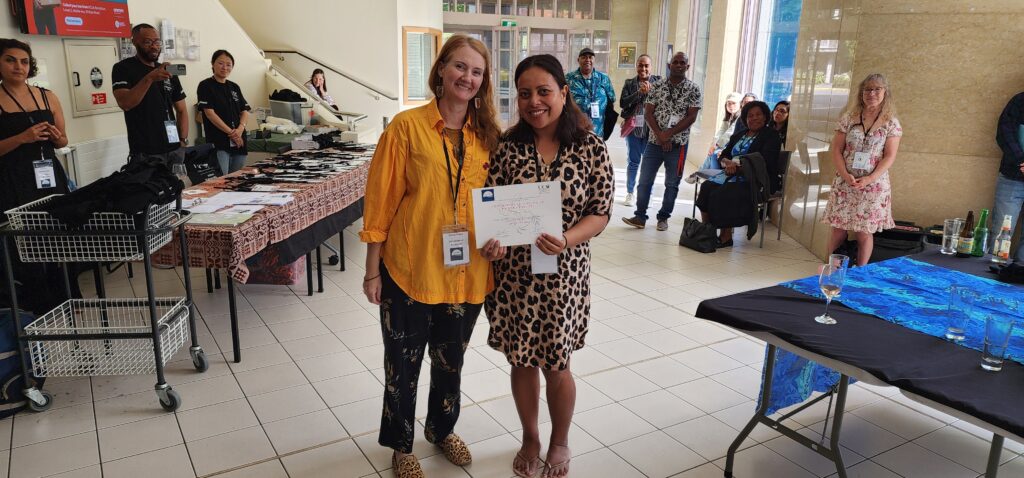
Rorine Tioti (Kiribati/Japan – Hiroshima University)
Rorine Tioti is a Master’s student in the International Educational Development Program at Hiroshima University, researching Family Life Education (FLE) in Kiribati. Her mixed-methods study examines how students’ attitudes and intentions toward FLE are shaped by parents, teachers, religious leaders, cultural taboos, and regional worldviews, using Ajzen’s Theory of Planned Behaviour. Her OCIES-accepted paper highlights how surface-level support often masks deeper resistance rooted in cultural knowledge systems, arguing for decolonising approaches that work with Indigenous authority structures rather than against them. As one of the few Kiribati researchers in CIE, Rorine brings vital insider knowledge to Pacific education and is recognised by her supervisor for her strong research potential, methodological rigour, and leadership aspirations.
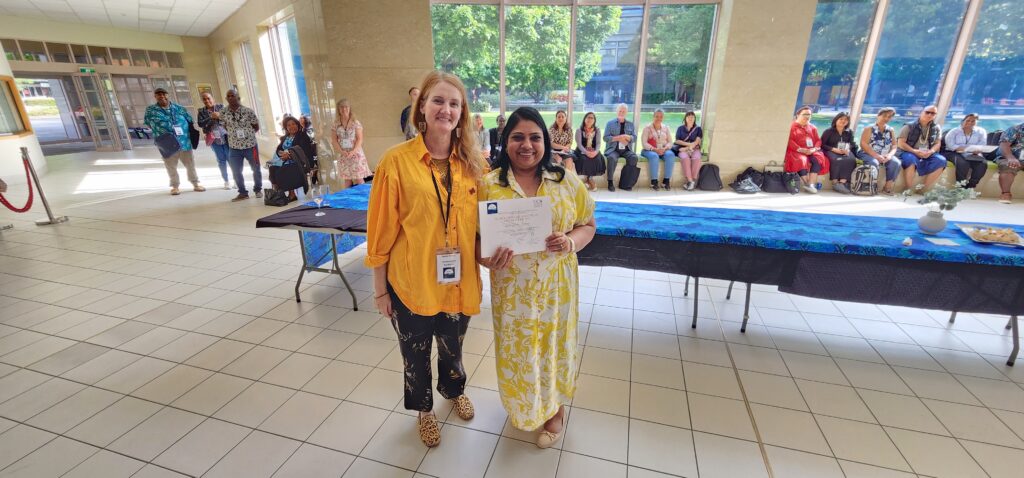
Sangeeta Jattan (Fiji – Fiji National University)
Sangeeta Jattan is the Programme Coordinator and a Lecturer in Early Childhood Education and Care at Fiji National University, with over 13 years of academic and professional experience. She has contributed extensively to national ECE development, including serving on Fiji’s Technical Working Team for Early Childhood Education, advising the Early Childhood Teachers Association, and co-writing and nationally training teachers in the Fijian curriculum Na Noda Mataniciva. Her OCIES-accepted paper examines ways to enrich the Bachelor of Education (ECE & Care) programme through integrating Indigenous Knowledge to strengthen culturally responsive practice. A current PhD candidate, Sangeeta’s research focuses on culture-sensitive curriculum design for Fijian Indian communities.
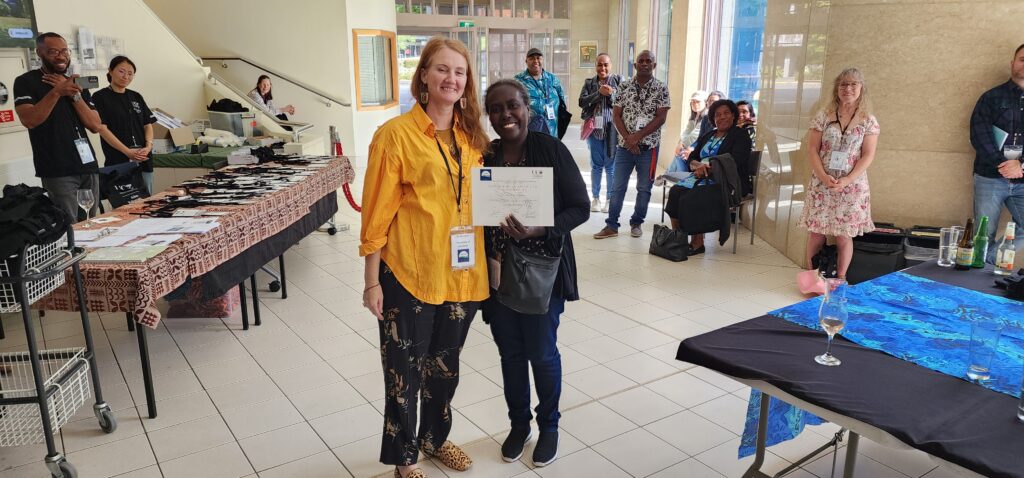
Raynier Nina Tutuo (Solomon Islands/Fiji – University of the South Pacific)
Raynier Tutuo is a PhD candidate at the University of the South Pacific, specialising in ethnomathematics and culturally derived pedagogies in Solomon Islands mathematics education. Her OCIES-accepted presentation, “Ethnomathematics lessons in Solomon Islands classrooms: Views of teachers and students,” examines how Indigenous mathematical ideas can transform learning by centring local knowledge, cultural practices, and student identity. Her doctoral research, now under examination, uses a design-based methodology to investigate culturally grounded teaching ideas in mathematics. Raynier is one of the few female mathematics educators from the Solomon Islands engaged in this work and has papers currently under review. She is recognised for her strong potential to advance decolonising approaches to mathematics education across the Pacific.
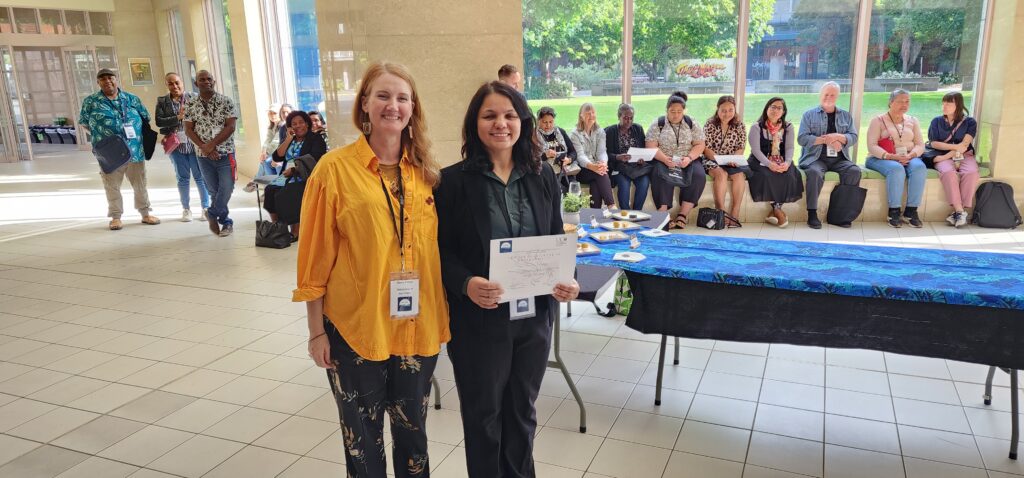
Amina Bibi Baig (Pakistan/Australia – Griffith University)
Amina Baig is a PhD researcher at Griffith University, where she investigates Global Citizenship Education (GCE) in Pakistan, with a focus on teachers’ agency and the possibilities of decolonial praxis within postcolonial schooling systems. Her work examines how educators interpret, navigate, and reshape GCE curricula to reflect local epistemologies and social justice priorities. Amina brings extensive experience in teacher capacity-building, educational leadership, and community engagement in Pakistan. Her supervisors highlight her “exceptional potential” to strengthen CIE scholarship and practice both regionally and globally.
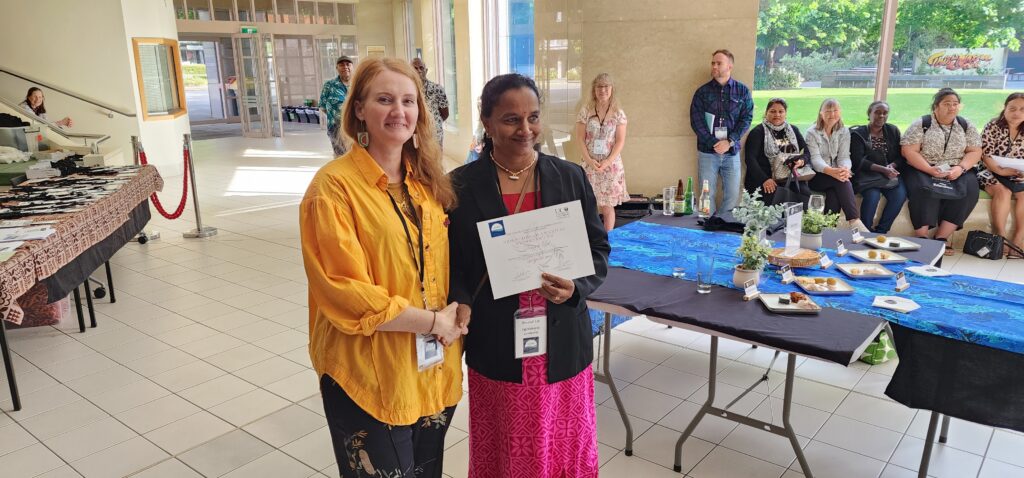
Dropati Lal (Fiji – Fiji National University)
Dropati Lal is a Lecturer in Early Childhood Education at Fiji National University and a Doctor of Education candidate whose work explores spirituality, values, and moral education in Pacific early childhood settings. Her OCIES-accepted paper examines how Indigenous and faith-based ECE centres in western Fiji embed spiritual and moral teachings through pedagogy, community engagement, and culturally grounded practices, highlighting tensions between traditional worldviews and state-mandated curriculum frameworks. Dropati is recognised by her supervisor as an emerging CIE scholar committed to equity, culturally responsive education, and amplifying Pacific perspectives. With limited institutional funding available to early-career academics, the scholarship supports her continued participation in the OCIES community and her growing contribution to Pacific early childhood research.
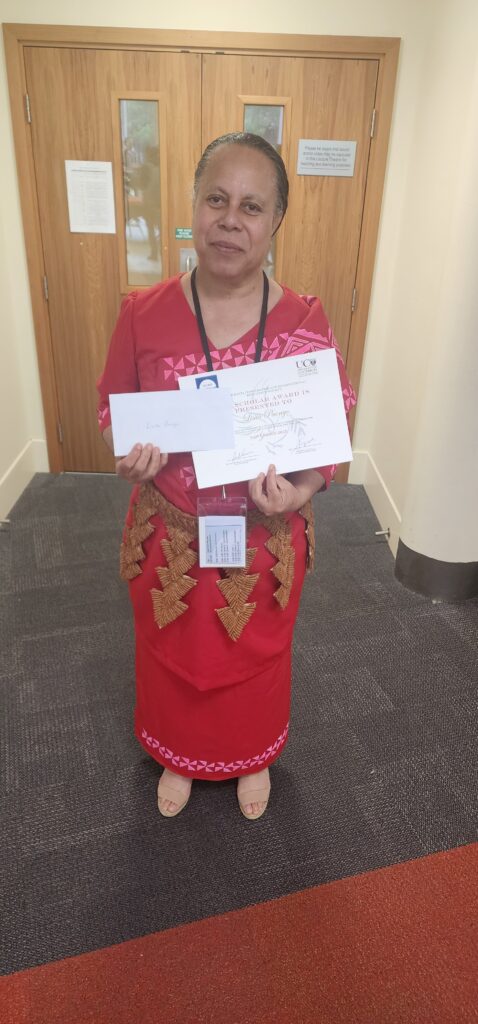
Lisita F. Paongo (Tonga/Aotearoa – University of Auckland)
Lisita Paongo recently completed her PhD in Education at the University of Auckland, where her research privileged Tongan epistemologies to enhance the educational achievement and well-being of Pacific learners. Her OCIES presentation, “Koloa Fufū ‘a e Fefine Tonga,” draws on Tongan concepts and methodologies to reframe intergenerational values and illuminate their contribution to Tongan girls’ secondary schooling in Aotearoa. Lisita’s work actively ruptures Western research conventions, advancing decolonising and Indigenous scholarship that centres Tonga ma‘a Tonga. She is now extending her research into Pacific health through a pending postdoctoral fellowship. Recognised for her academic promise and culturally grounded leadership, Lisita seeks to deepen her engagement with OCIES as an emerging scholar committed to Indigenous knowledge and transformational Pacific research.